
Description
Product Overview
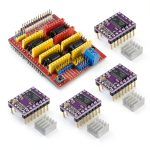
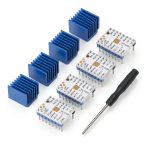
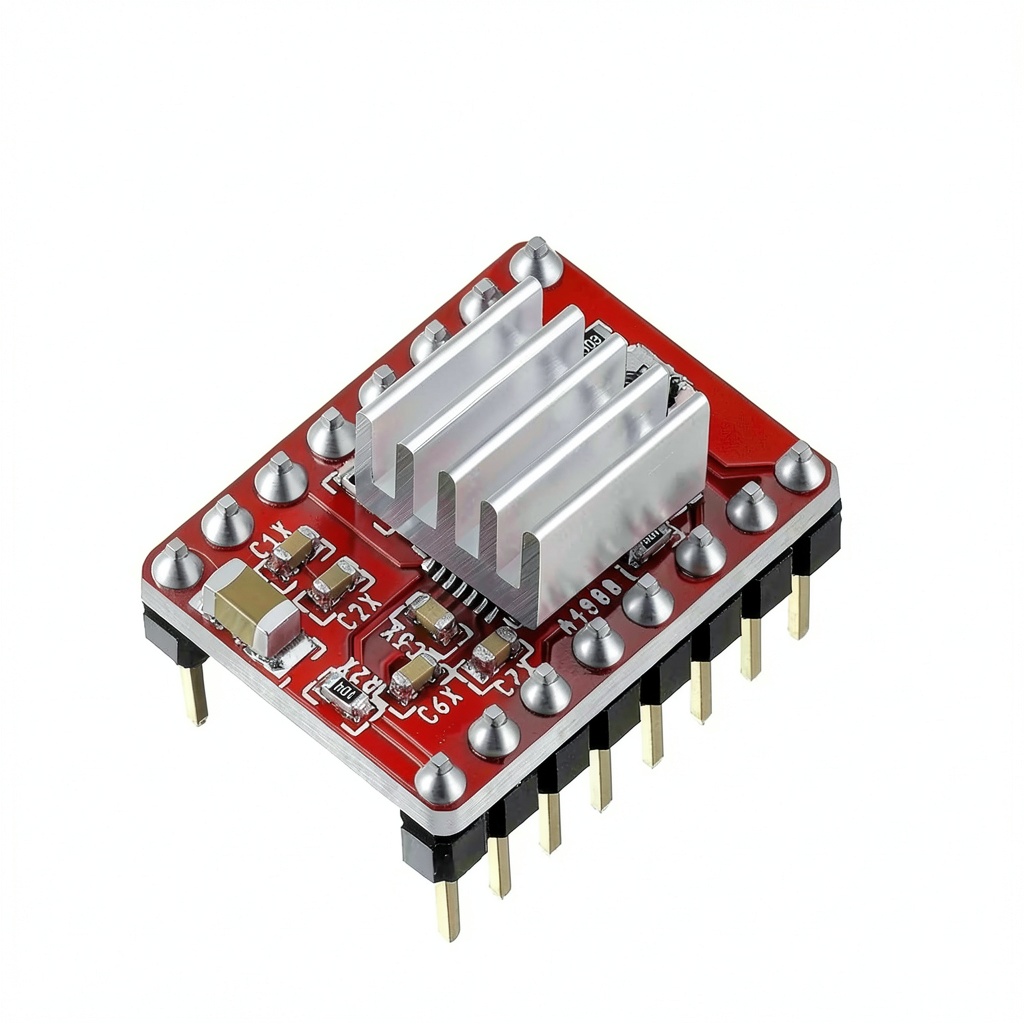
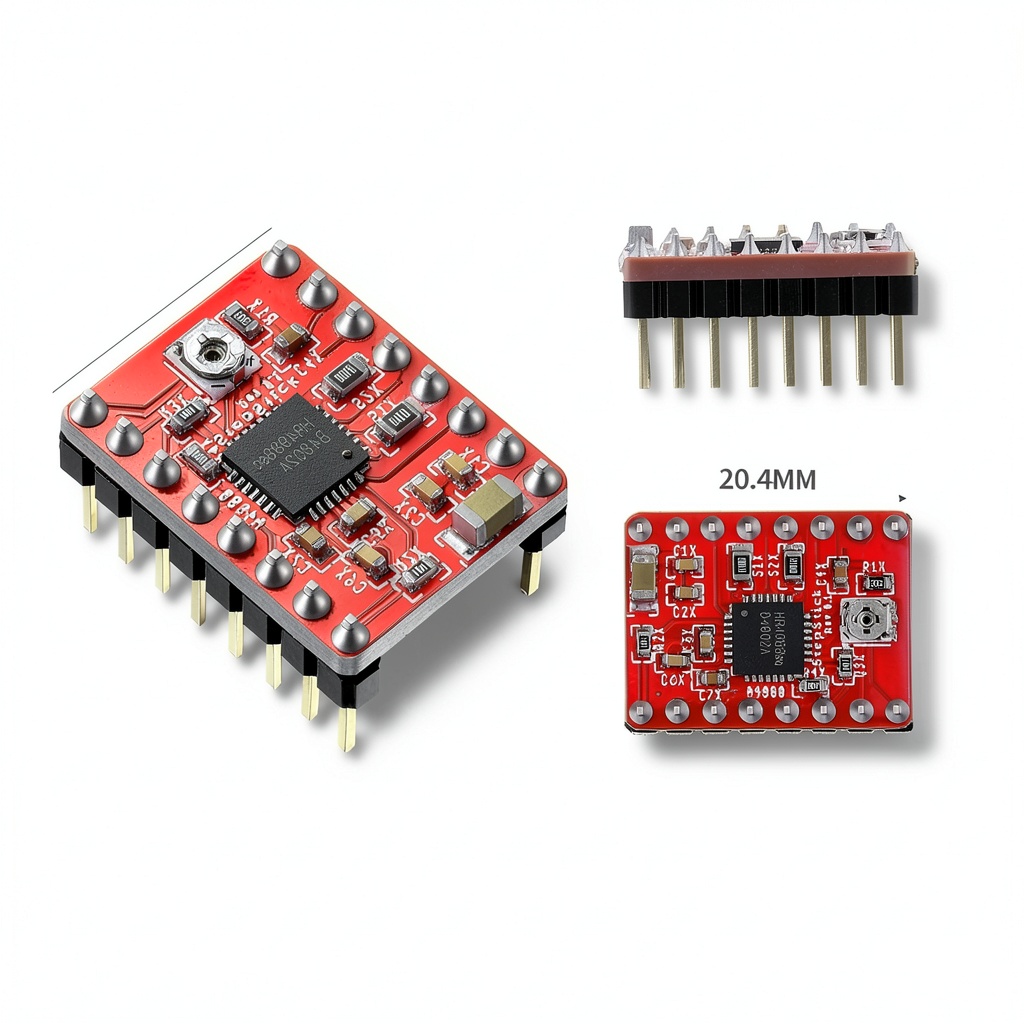
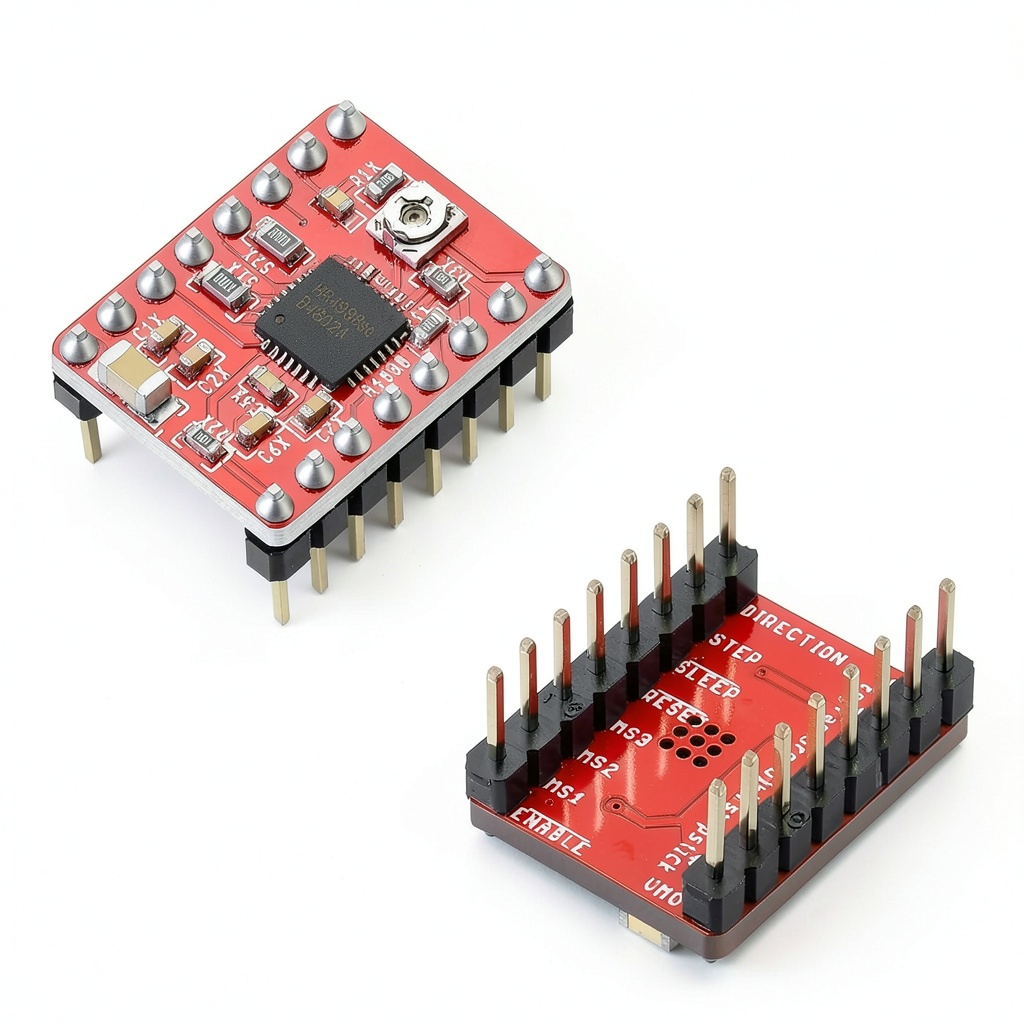
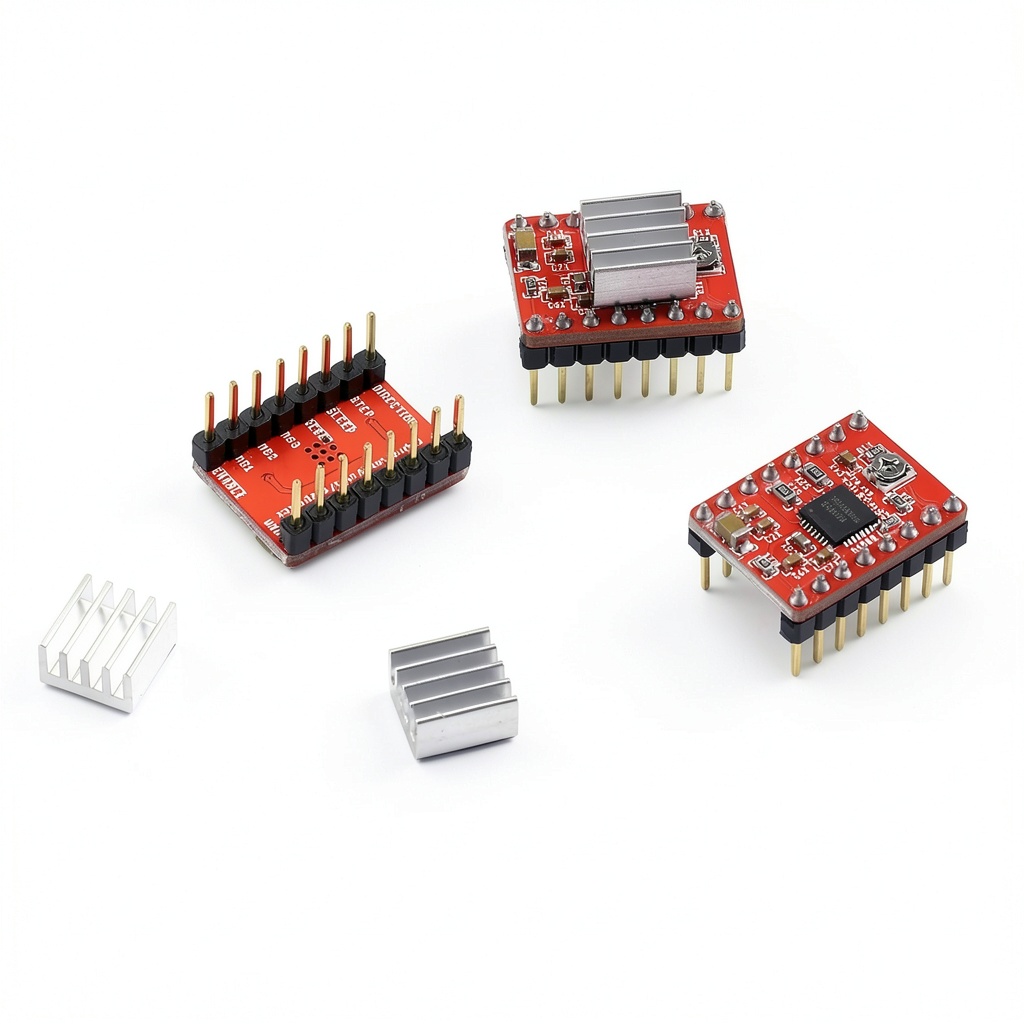
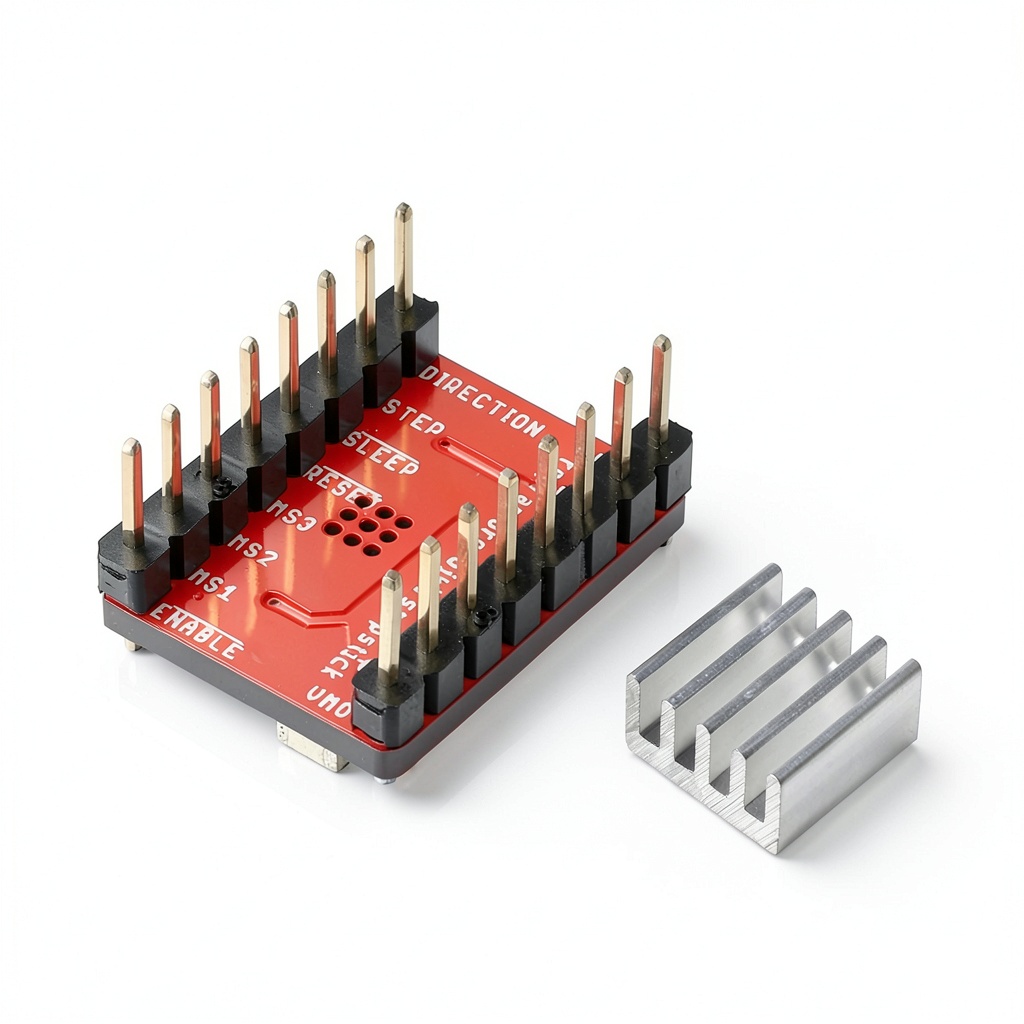
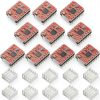
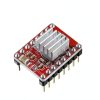
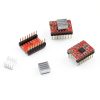
The Photect 10‑piece stepper motor driver set is engineered for precision motion control in demanding applications such as additive manufacturing, CNC machining and advanced robotics. Each module integrates a robust aluminum heat‑sink directly mounted to a high‑density printed circuit board, delivering efficient thermal dissipation that keeps the driver cool even under continuous operation at the maximum rating of 35 V and ±2 A. The drivers are fully compatible with the popular A4988 stepstick form factor, allowing seamless replacement or upgrade without the need for additional adapters. Micro‑stepping capability spans full step, half step, quarter step, eighth step and sixteenth step, giving users fine‑grained control over torque and positioning accuracy. The compact 7.09 × 7.09 × 0.63 inch footprint and lightweight 1.76 oz design make the modules easy to mount on standard printer or CNC controller boards, while the built‑in chopper control ensures smooth current regulation across a wide range of stepper motor specifications. Detailed specifications include a 2 mm pitch screw terminal for secure wiring, a protective thermal shutdown circuit, over‑current detection, ground fault protection and cross‑current safeguards, all contributing to a reliable and long‑lasting solution for high‑performance motion systems.
Beyond the basic specifications, Photect has invested in a refined mechanical design that maximizes both durability and ease of integration. The driver’s PCB utilizes a 4‑layer stack‑up with reinforced copper traces, reducing electrical resistance and improving signal integrity for high‑frequency PWM control. The aluminum heat‑sink is precision‑machined with a finned surface that increases the effective cooling area by more than 30 % compared with flat‑plate designs, allowing the driver to maintain temperatures below 70 °C even when operating at the upper voltage limit for extended periods. Surface‑mount components are selected for lead‑free compliance and undergo a conformal coating process that protects against moisture and dust ingress, a critical factor for machines operating in workshop environments. Each unit is calibrated at the factory using a programmable load bench that verifies the current limiting thresholds, micro‑stepping accuracy and thermal shutdown response, ensuring that every driver meets the advertised performance envelope before it leaves the production line. The result is a plug‑and‑play module that not only fits the physical dimensions of the A4988 stepstick but also delivers superior thermal management and electrical reliability, reducing the need for external cooling fans or additional protective circuitry.
The driver’s electrical design incorporates a low‑noise PWM driver chip that reduces audible humming and electromagnetic interference, which is especially beneficial in quiet laboratory environments. Thermal performance is further enhanced by the use of a high‑conductivity thermal pad between the chip and the heat‑sink, ensuring efficient heat transfer. The module also includes a configurable Vref resistor network that allows users to fine‑adjust the current limit to match the specific characteristics of their stepper motor, providing optimal torque without risking overheating. All components are conformally coated to protect against humidity and dust, extending the operational lifespan of the driver in demanding industrial settings.
![[Product front view showing all components]](https://www.marchpast.store/wp-content/uploads/2026/08/2b98e0bf4e7b49fab4d75edcbd68ca02.jpg)
Usage
Designed with versatility in mind, the driver set fits a broad spectrum of equipment where precise stepper control is essential. In desktop 3D printers, the modules enable smoother layer deposition by reducing vibration and eliminating missed steps, which translates into higher print quality and reduced filament waste. For CNC routers and engraving machines, the drivers provide the torque needed to drive larger spindle loads while maintaining accurate positioning, allowing intricate cuts and detailed engravings on wood, acrylic, metal and composite materials. Robotics enthusiasts benefit from the drivers’ ability to handle bidirectional currents, supporting complex joint movements in articulated arms, mobile platforms and automated guided vehicles. Installation is straightforward: the heat‑sink module plugs directly into the stepstick socket, and the screw terminals accept standard 22‑AWG wires, eliminating the need for soldering. The drivers operate reliably in typical workshop environments, tolerating temperature fluctuations and dust exposure, making them suitable for both hobbyist workbenches and industrial prototype stations.
In high‑speed 3D printing scenarios where layer times are reduced to a few seconds, the driver’s ability to sustain high current without overheating becomes a decisive factor. Users who employ direct‑drive extruders or multi‑material setups often experience rapid current spikes as the extruder motor accelerates and decelerates, and the built‑in thermal shutdown ensures that the driver will temporarily pause power delivery rather than suffer permanent damage. This protective behavior translates into longer printer uptime and fewer maintenance interventions, especially in print farms where dozens of machines operate continuously. Moreover, the fine‑grained micro‑stepping options enable users to fine‑tune the motion profile, achieving smoother filament extrusion and reducing the audible noise that is typical of coarse‑step operation. For large‑format printers with heavier gantry assemblies, the driver’s 35 V capability provides the headroom needed to drive higher‑torque stepper motors, allowing the printer to maintain precise positioning across a broader build volume without sacrificing speed.
For CNC milling operations that require rapid direction changes, the driver’s fast decay mode reduces the time the motor spends in the high‑current region, improving responsiveness and reducing mechanical wear. When paired with a high‑resolution encoder, the driver can be used in closed‑loop configurations that monitor actual motor position and automatically correct for missed steps, further enhancing precision. The module’s compact size also allows it to be mounted directly on the spindle controller board, shortening the signal path and reducing latency, which is critical for high‑speed machining where timing margins are tight. Users can also take advantage of the driver’s programmable micro‑stepping settings to balance speed and resolution according to the specific material being processed.
In robotic arm applications, the driver’s bidirectional current capability enables precise torque control for each joint, allowing smooth trajectory execution and accurate positioning even under variable load conditions. The compact size of the module permits mounting directly on the robot’s control board, reducing cable length and minimizing latency between the controller and the motor. For users building autonomous vehicles or mobile platforms, the driver’s robust protection features ensure reliable operation in environments with temperature fluctuations and occasional power spikes. Installation best practices include securing the driver with a small screw to the board to prevent movement during vibration, using heat‑shrink tubing on the motor leads to protect against abrasion, and verifying the correct polarity before powering the system. By following these guidelines, engineers can achieve consistent performance and extend the lifespan of both the driver and the connected stepper motors.
Why Choose Us
Photect has built a reputation for delivering high‑quality electronic components that meet rigorous industry standards. Each driver undergoes a multi‑stage quality assurance process, including automated functional testing, thermal cycling and visual inspection, to guarantee consistent performance across the entire batch. The inclusion of comprehensive protection features—thermal shutdown, over‑current, ground fault and cross‑current safeguards—means the driver can self‑protect against common failure modes, reducing downtime and protecting connected motors and power supplies. Our commitment to customer satisfaction extends beyond the point of sale; we provide detailed technical documentation, responsive email support and a 12‑month warranty that covers manufacturing defects. By choosing Photect, users gain access to a reliable supply chain, prompt replacement parts and a community of engineers who can assist with integration challenges, ensuring that the driver set remains a dependable component throughout the product lifecycle.
Photect’s manufacturing process adheres to ISO 9001 quality management standards, and each production batch is audited for compliance with RoHS and REACH regulations, guaranteeing that the drivers are free from hazardous substances and safe for use in environmentally conscious facilities. The company employs a continuous improvement philosophy, gathering feedback from the maker community and industrial partners to refine future revisions of the driver module. This collaborative approach has led to enhancements such as the optimized heat‑sink geometry and the addition of cross‑current protection, features that were directly inspired by real‑world field reports. In addition to the technical advantages, Photect invests in comprehensive documentation, providing detailed datasheets, wiring diagrams and step‑by‑step integration guides that accelerate the development cycle for engineers and hobbyists alike. The support team is staffed by experienced electrical engineers who can troubleshoot firmware settings, advise on motor selection and recommend best practices for thermal management. With a transparent warranty policy and a responsive after‑sales service, Photect ensures that customers receive not only a high‑performance component but also a partnership that supports the long‑term success of their projects.
Photect is also committed to environmental responsibility, sourcing aluminum and copper from certified recyclers and employing lead‑free solder in all assemblies. The company’s packaging is designed to be minimal and fully recyclable, reducing waste for customers who receive the product in a compact, protective envelope. In addition to the hardware, Photect maintains an active online forum where users can share projects, troubleshoot issues and request feature enhancements, fostering a collaborative ecosystem that drives continuous product improvement. Looking ahead, Photect plans to introduce driver modules with higher current ratings and integrated sensor feedback, expanding the capabilities for next‑generation automation and additive manufacturing systems. This forward‑thinking roadmap assures customers that the platform they adopt today will evolve alongside emerging technologies, protecting their investment over the long term.
Photect’s after‑sales service includes a dedicated technical hotline that operates during standard business hours, offering real‑time assistance for configuration issues, firmware updates and troubleshooting. In addition, the company provides a comprehensive online knowledge base with step‑by‑step tutorials, video demonstrations and downloadable CAD models of the driver for easy integration into mechanical designs. For bulk purchasers, Photect offers volume discounts and priority shipping, ensuring that large‑scale production lines receive the components they need without delay. The combination of high‑quality hardware, proactive support and flexible purchasing options makes the Photect driver a cost‑effective solution for both small‑batch prototyping and mass‑production environments.
Key Features
- The integrated aluminum heat‑sink features precision‑machined fins that increase surface area, keeping the driver temperature low even under continuous high‑current operation, eliminating the need for external cooling fans.
- Micro‑stepping is available in full, half, quarter, eighth and sixteenth steps, delivering ultra‑smooth motion that reduces vibration and improves surface finish on printed parts and machined components.
- Advanced protection circuitry monitors temperature, current and ground conditions, automatically shutting down the driver in case of overload, which safeguards both the motor and the power supply from damage.
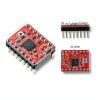
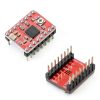
- The driver’s pin layout matches the standard A4988 stepstick, allowing a direct swap without soldering, and the screw‑terminal connectors accept a wide range of wire gauges for flexible wiring options.
- Photect provides dedicated technical support, detailed integration guides, and a 12‑month warranty, ensuring customers receive prompt assistance and confidence in the long‑term reliability of the product.
FAQ
What stepper motor voltage and current ratings does this driver support?
The driver modules operate safely up to 35 V and can handle bidirectional currents of up to 2 A, making them suitable for a wide range of NEMA‑17 and NEMA‑23 stepper motors commonly used in 3D printers and CNC machines.
Are the drivers compatible with existing A4988 stepsticks on my printer?
Yes, the modules are designed to match the A4988 stepstick footprint and pinout, allowing you to replace the original driver without any mechanical modifications or additional wiring.
How does the thermal shutdown feature work?
Each driver includes an integrated temperature sensor that monitors the heat‑sink temperature. If the temperature exceeds the safe threshold, the driver automatically disables output to protect the circuitry and motor, then resumes operation once the temperature drops to an acceptable level.
What warranty and support options are available?
Photect offers a 12‑month limited warranty covering manufacturing defects, and our technical support team is available via email to assist with installation, troubleshooting and firmware configuration questions.
Can I use these drivers with stepper motors that require higher current than 2 A?
The drivers are rated for up to 2 A per phase; for motors requiring higher current you should consider parallel driver configurations or a higher‑current driver model to avoid overheating.
What is the recommended wiring method for optimal performance?
Use twisted pair wires of 22‑AWG or 24‑AWG for the motor connections, keep the leads as short as possible, and route them away from high‑frequency power lines to minimize electromagnetic interference.
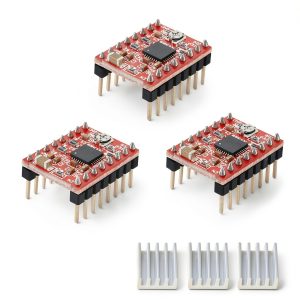
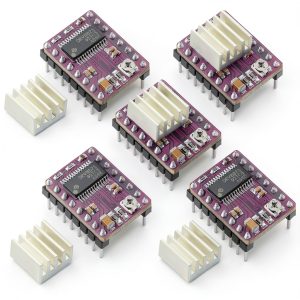 DRV8825 Stepper Driver DaFuRui 5pcs HS for 3D Printers
 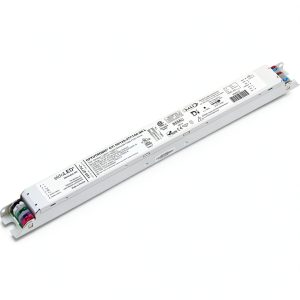 OPTOTRONIC OTi 50W Linear LED Driver 2743Y9 Constant Current
  6SE6400-1PB00-0AA0 MICROMASTER 4 PROFIBUS Module LULER Factory Sealed
Reviews
There are no reviews yet.